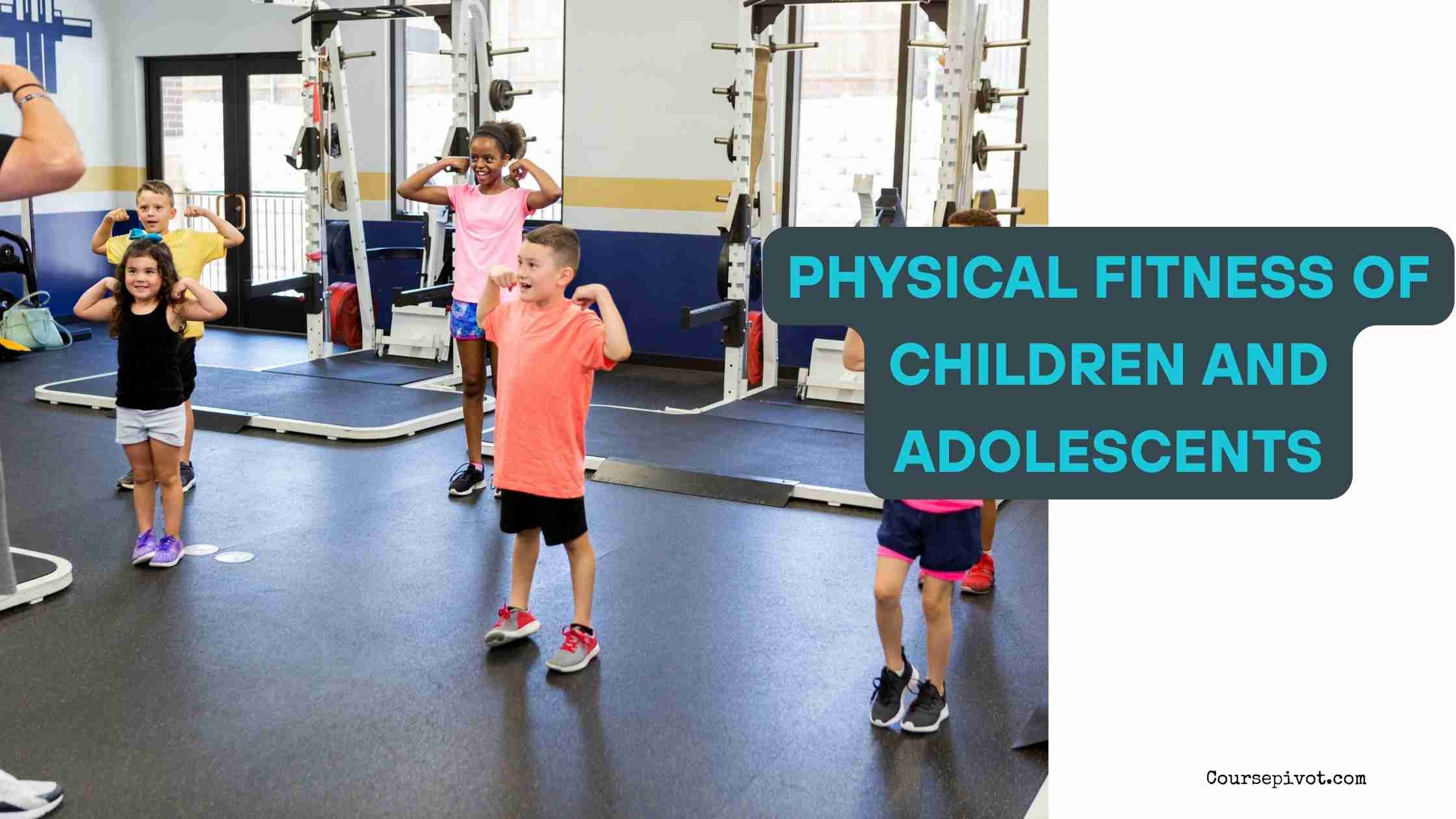
There is a growing concern over the physical fitness of children and adolescents due to the rise in sedentary lifestyles and poor dietary habits. With the advancement of technology and increased screen time, physical activity levels have declined significantly. This worrying trend has led to an increase in childhood obesity and related health issues, highlighting the urgent need for promoting healthier habits among the younger generation. It is crucial to address these concerns to ensure a brighter and healthier future for our youth.

Why Is There a Growing Concern Over the Physical Fitness of Children and Adolescents?
Hello, young readers! Have you ever wondered why adults often talk about how important it is to stay active and healthy? Well, one of the reasons for this is the growing concern over the physical fitness of children and adolescents. In today’s world, with so many distractions and changes in lifestyle, it’s becoming more challenging for young people to lead active and healthy lives. So, let’s dive into why this is a topic that everyone, including you, should pay attention to!
The Impact of Technology
Think about all the cool gadgets and devices you have at your fingertips today. From smartphones to video games and tablets, technology has become a big part of our daily lives. While these devices can be fun and entertaining, they also contribute to a more sedentary lifestyle. Instead of playing outside or joining sports teams, many kids and teens spend hours sitting and staring at screens. This lack of physical activity can lead to various health issues, including obesity and poor fitness levels.
Obesity Epidemic
Obesity, which means being significantly overweight, is a serious problem affecting many children and adolescents today. When you don’t move your body enough and consume unhealthy foods, your weight can increase to unhealthy levels. This can put you at risk for developing diseases like diabetes, heart problems, and more. The rise in obesity among young people has sparked concerns among parents, teachers, and health professionals, urging everyone to take action to promote healthier lifestyles.
Importance of Physical Activity
Physical activity is not just about staying in shape or looking a certain way. It plays a crucial role in keeping your body and mind healthy. When you engage in activities like running, jumping, or playing sports, you strengthen your muscles, improve your heart health, and boost your mood. Regular exercise also helps you concentrate better in school and sleep more soundly at night. So, next time you’re tempted to spend hours on your devices, remember the importance of moving your body!
Social Interaction and Teamwork
Being physically active also offers opportunities to connect with others and develop important social skills. Whether you’re playing with friends at the park or participating in team sports, physical activities provide a chance to bond, communicate, and work together towards a common goal. These experiences not only help you make new friends but also teach you valuable lessons about cooperation and teamwork that will benefit you in various areas of your life.
Educational Impacts
Did you know that staying physically fit can actually improve your academic performance? It’s true! When you take care of your body and engage in regular exercise, you enhance your ability to focus, retain information, and solve problems. Exercise also helps reduce stress and anxiety, making it easier for you to concentrate during class and perform well on tests. By incorporating physical activity into your routine, you’re not only keeping your body healthy but also sharpening your mind!
Economic and Healthcare Costs
Another reason why there’s a growing concern over the physical fitness of children and adolescents is the impact it has on society as a whole. As more young people struggle with obesity and related health issues, the healthcare costs associated with treating these conditions increase significantly. This places a financial burden on families, communities, and the healthcare system. By promoting physical fitness and healthy habits early on, we can reduce the economic strain and prevent many health problems in the future.
Parental Role and Support
Parents play a crucial role in shaping their children’s habits and attitudes towards physical fitness. By encouraging outdoor play, enrolling kids in sports programs, and setting a positive example through their own actions, parents can instill a love for physical activity in their children. Supportive parents can also help kids overcome challenges, stay motivated, and prioritize their health and wellness. When families prioritize physical fitness together, it creates a culture of health that benefits everyone.
Educational Initiatives and Community Programs
Many schools and communities are implementing initiatives and programs to promote physical fitness among children and adolescents. From introducing physical education classes to organizing sports events and fitness challenges, these efforts aim to raise awareness about the importance of staying active and provide opportunities for young people to engage in fun and rewarding activities. By participating in these programs, you can discover new interests, develop skills, and build healthy habits that will last a lifetime.
As you can see, there are many reasons why there’s a growing concern over the physical fitness of children and adolescents. From the impact of technology to the rise in obesity rates and the importance of physical activity for overall health and well-being, staying active is crucial for your present and future success. By making small changes to your daily routine, like going for a bike ride, playing tag with friends, or trying a new sport, you can take positive steps towards improving your physical fitness and leading a happier, healthier life. So, remember to keep moving, stay active, and have fun along the way!
Child & Adolescent obesity: is it a problem, and can it be tackled?
Frequently Asked Questions
What factors contribute to the growing concern over the physical fitness of children and adolescents?
Several factors contribute to the increasing worry about the physical fitness of children and adolescents, including sedentary lifestyles, lack of physical activity, poor dietary habits, increased screen time, and reduced outdoor play.
How does the sedentary lifestyle of children and adolescents impact their physical fitness?
The sedentary lifestyle of children and adolescents, characterized by prolonged sitting and low levels of physical activity, can lead to obesity, weakened muscles and bones, poor cardiovascular health, and overall reduced physical fitness.
What role do poor dietary habits play in the declining physical fitness of children and adolescents?
Poor dietary habits, such as consuming high-calorie and low-nutrient foods, can contribute to weight gain, lack of energy, and nutritional deficiencies, negatively impacting the physical fitness and overall health of children and adolescents.
How does increased screen time affect the physical fitness of children and adolescents?
Increased screen time, including excessive use of smartphones, computers, and TVs, often replaces physical activities, leading to a sedentary lifestyle, reduced movement, and limited opportunities for exercise, which can have detrimental effects on the physical fitness of children and adolescents.
Final Thoughts
In conclusion, the growing concern over the physical fitness of children and adolescents stems from alarming trends in sedentary lifestyles and poor dietary habits. This shift towards inactivity and unhealthy eating choices is contributing to rising rates of childhood obesity and related health issues. The urgent need to address this issue is driven by the long-term consequences on their overall well-being and quality of life. It is imperative for society to prioritize and promote regular physical activity and healthy nutrition to safeguard the health of the younger generation.