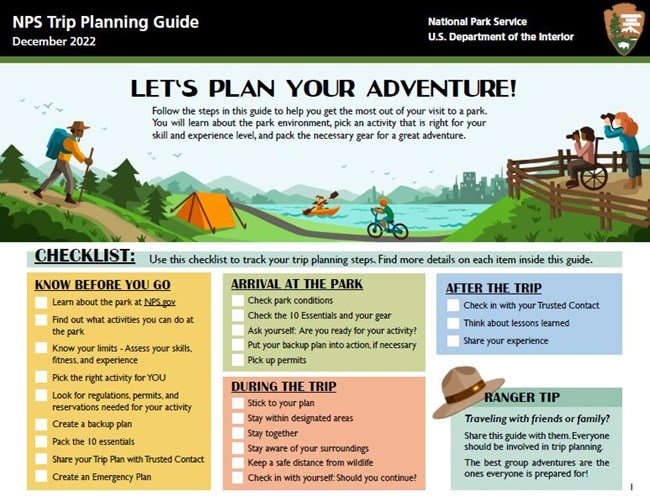
Consider wildlife when planning outdoor activities to ensure their safety and preservation. Wildlife plays a crucial role in our ecosystem, and being mindful of their habitats is essential for sustainability. By incorporating wildlife considerations into our outdoor plans, we can minimize our impact on their natural environment. Let’s delve into why it’s important to consider wildlife when planning an outdoor activity.

Why is it important to consider wildlife when planning an outdoor activity?
Welcome to our blog where we’ll dive into the fascinating world of wildlife and outdoor activities. Have you ever wondered why it’s crucial to think about the animals and plants that call nature their home when planning your next outdoor adventure? In this article, we’ll explore the importance of considering wildlife in your plans and how you can enjoy the great outdoors while respecting and preserving the natural environment around you. Let’s get started!
Understanding the Connection Between Wildlife and Outdoor Activities
When you step outside for a hike, camping trip, or any other outdoor activity, you’re entering the territory of countless species of plants and animals. These creatures have their homes and habitats in the very places we love to explore. By considering wildlife in your plans, you not only ensure their safety and well-being but also enhance your own experience in nature. Let’s delve deeper into why wildlife should be a top priority when planning your outdoor adventures.
The Impact of Human Activities on Wildlife
Human activities such as hiking, camping, and even simple picnics can have a significant impact on wildlife. Noise pollution, littering, and habitat destruction are just a few examples of how our actions can harm the plants and animals that share our outdoor spaces. By being aware of these impacts and taking steps to minimize them, we can create a more harmonious relationship with wildlife and help preserve their natural habitats.
Preserving Biodiversity
Wildlife plays a crucial role in maintaining the delicate balance of ecosystems. Each species, no matter how small, contributes to the overall biodiversity of an area. When we plan our outdoor activities with wildlife in mind, we are helping to protect this diversity and ensure that future generations can also enjoy the wonders of nature. From insects to birds to mammals, every creature has a part to play in the web of life.
Respecting Wildlife Behavior
Animals have their own behaviors and routines that are essential for their survival. When we disrupt these patterns by approaching too closely or making loud noises, we can cause stress and harm to the wildlife around us. By observing from a safe distance and minimizing our impact, we can show respect for the natural behaviors of animals and allow them to go about their lives undisturbed.
Practical Tips for Considering Wildlife in Your Outdoor Plans
Now that we understand why it’s important to consider wildlife when planning outdoor activities, let’s explore some practical tips to help you enjoy nature while being mindful of the creatures that inhabit it.
Leave No Trace
One of the most important principles of outdoor ethics is to leave no trace. This means packing out all your trash, staying on designated trails, and avoiding picking flowers or disturbing wildlife. By following these guidelines, you can minimize your impact on the environment and help protect wildlife habitats.
Be Mindful of Noise Levels
Wildlife is sensitive to noise, and loud sounds can disrupt their natural behaviors. When planning your outdoor activities, try to keep noise to a minimum. This not only benefits the animals but also allows you to truly appreciate the peaceful sounds of nature.
Respect Wildlife Boundaries
Many animals are territorial and can become stressed if humans invade their space. It’s essential to observe wildlife from a safe distance and avoid approaching or feeding them. By respecting their boundaries, you can enjoy watching animals in their natural habitat without causing them distress.
Learn About Local Wildlife
Before heading out on your outdoor adventure, take some time to learn about the wildlife species that inhabit the area. Understanding their behaviors and habitats can help you make informed decisions that benefit both you and the animals. You might even spot some fascinating creatures you wouldn’t have noticed otherwise!
As outdoor enthusiasts, it’s our responsibility to protect and respect the wildlife that shares our natural spaces. By considering wildlife in our plans and taking steps to minimize our impact, we can ensure that future generations can also enjoy the beauty and diversity of our planet’s ecosystems. So, next time you head out for a hike or camping trip, remember to think about the animals and plants that call these places home. Together, we can create a more sustainable and wildlife-friendly outdoor experience for everyone to enjoy.
The Importance of Preparedness in Survival Scenarios
Frequently Asked Questions
Why should wildlife be considered when planning an outdoor activity?
Wildlife plays a vital role in maintaining ecosystem balance, and considering them during outdoor activity planning helps protect their habitats and ensure their well-being. By understanding and respecting wildlife, we can minimize our impact on their environment.
How can the presence of wildlife impact outdoor activities?
The presence of wildlife can affect outdoor activities in various ways, such as safety concerns, disruptions to the natural behavior of animals, and potential conflicts between humans and wildlife. Being mindful of wildlife helps prevent negative interactions and promotes a harmonious coexistence.
What measures can be taken to minimize the impact on wildlife during outdoor activities?
To minimize the impact on wildlife, it is essential to follow Leave No Trace principles, stay on designated trails to avoid disturbing habitats, properly dispose of waste, avoid feeding wild animals, and adhere to wildlife protection laws. Educating oneself and others about wildlife conservation also plays a crucial role.
Final Thoughts
It is crucial to consider wildlife when planning outdoor activities to minimize negative impacts on ecosystems. By being mindful of wildlife habitats, we can help protect their natural environment and prevent disturbances. Understanding the importance of preserving biodiversity enhances our overall outdoor experience while promoting ecological conservation. Thus, prioritizing wildlife welfare ensures sustainable recreation practices that benefit both nature and outdoor enthusiasts. Remember, why is it important to consider wildlife when planning an outdoor activity?