Butterfly knives are illegal due to their potential dangers and association with criminal activities. In many places, the flashy flip-open mechanism of butterfly knives raises concerns about easy concealment and swift deployment in altercations. The laws prohibiting these knives aim to reduce the risk of injuries and fatalities. However, the debate continues on whether the bans effectively address the underlying issues or merely restrict responsible use. Understanding the reasons behind why butterfly knives are illegal sheds light on the complexities of balancing public safety with personal rights.

Why Are Butterfly Knives Illegal: Understanding the Controversy
Butterfly knives, also known as balisongs, are often seen in movies and video games, where they are portrayed as cool and dangerous weapons. However, in reality, these knives have a controversial legal status in many places around the world. In this blog post, we will delve into the reasons behind why butterfly knives are illegal in certain jurisdictions.
The History of Butterfly Knives
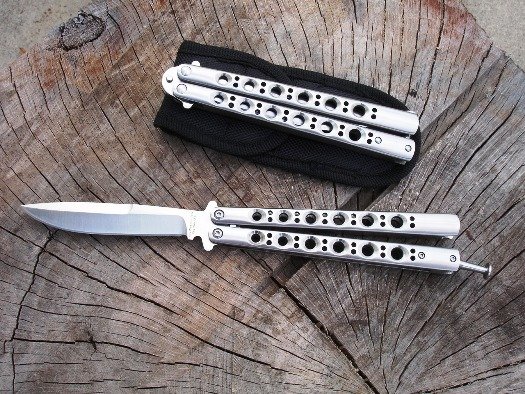
Butterfly knives have a long history dating back to the Philippines, where they were originally used as tools and weapons. Their unique design, with two handles that counter-rotate around the tang of the blade, makes them both fascinating and tricky to handle. Over time, butterfly knives gained popularity in different parts of the world, but their legal status has always been a subject of debate.
Safety Concerns
One of the main reasons why butterfly knives are illegal in some places is due to safety concerns. The design of these knives, characterized by the sharp blade hidden between the handles, poses a significant risk of injury, especially to inexperienced users. The flipping and twirling motion required to open and close a butterfly knife can lead to accidental cuts and lacerations, making them potentially dangerous in the wrong hands.
Authorities argue that the ease with which butterfly knives can be manipulated, combined with their sharp blades, makes them a hazard not only to the user but also to those around them. As a result, legislators in many countries have opted to ban or restrict the sale and possession of butterfly knives to prevent accidents and injuries.
Lack of Utility
Unlike traditional pocket knives or utility knives, butterfly knives are primarily viewed as novelty items or collectibles rather than practical tools. The intricate design and flipping mechanism may appeal to enthusiasts and collectors, but in terms of everyday use, butterfly knives offer limited utility. Their unconventional opening method and potentially illegal status in certain areas further diminish their practicality as tools.
Legal Classification
The legal status of butterfly knives varies from one jurisdiction to another. In some places, they are classified as switchblades or automatic knives, which are generally prohibited due to their quick-opening mechanism. While butterfly knives do not operate in the same way as switchblades, the rapid deployment of the blade via the flipping action has led to their categorization under similar laws.
Furthermore, the perceived association of butterfly knives with street gangs, criminal activities, and violence has contributed to their negative reputation in the eyes of lawmakers. As a result, the sale, possession, and carry of butterfly knives are often heavily regulated or outright banned in many regions.
Legal Challenges and Exceptions
Despite the general prohibition on butterfly knives, there are exceptions and legal challenges that have emerged in certain jurisdictions. For example, some states in the United States allow the possession of butterfly knives as long as they are not carried in a concealed manner or used for unlawful purposes.
Additionally, advocates of butterfly knife enthusiasts have argued that with proper training and responsible use, these knives can be safely enjoyed as recreational items. Organizations and individuals have raised awareness about the cultural significance and artistry of butterfly knives, highlighting their value beyond mere weapons.
In conclusion, the legality of butterfly knives is a complex and contentious issue that revolves around safety concerns, lack of utility, legal classification, and societal perceptions. While these knives may hold a certain allure and appeal to collectors and enthusiasts, their potential risks and associations with violence have led to their prohibition in many places.
As with any contentious topic, the debate over the legality of butterfly knives is likely to continue, with proponents and opponents presenting their arguments. Whether these knives will remain banned or see a shift in their legal status in the future remains to be seen, but understanding the reasons behind their current restrictions sheds light on the ongoing controversy surrounding butterfly knives.
3 Actual Reasons Why The Balisong / Butterfly Knife Is Illegal (In Certain Areas)
Frequently Asked Questions
What makes butterfly knives illegal in many places?
Butterfly knives are often considered illegal due to their unique design that allows for quick deployment and concealability, making them potentially dangerous weapons in the wrong hands. The flipping action and sharp blade make butterfly knives more difficult to control than traditional knives, raising concerns about public safety.
Are there specific laws that address the legality of butterfly knives?
Yes, many jurisdictions have laws explicitly banning the possession, sale, or transportation of butterfly knives. These laws are intended to regulate dangerous weapons and mitigate the risks associated with their easy manipulation and potential misuse. It’s essential to check local laws and regulations to understand the specific restrictions in your area.
Why are butterfly knives prohibited in some states or countries?
Prohibiting butterfly knives is often a measure taken to prevent criminal activities and reduce the likelihood of violent incidents. The design of butterfly knives, which allows for rapid opening and increased cutting effectiveness, can pose a significant threat in confrontational situations. By restricting these knives, authorities aim to enhance public safety and prevent harm.
Final Thoughts
In conclusion, butterfly knives are illegal in many places due to their potential for misuse and safety concerns. The quick deployment and intricate flipping mechanism make them dangerous weapons in the wrong hands. The unpredictable nature of butterfly knives poses a risk to both the user and those around them. Therefore, strict regulations are in place to prevent harm and maintain public safety, which is why are butterfly knives illegal in several jurisdictions.