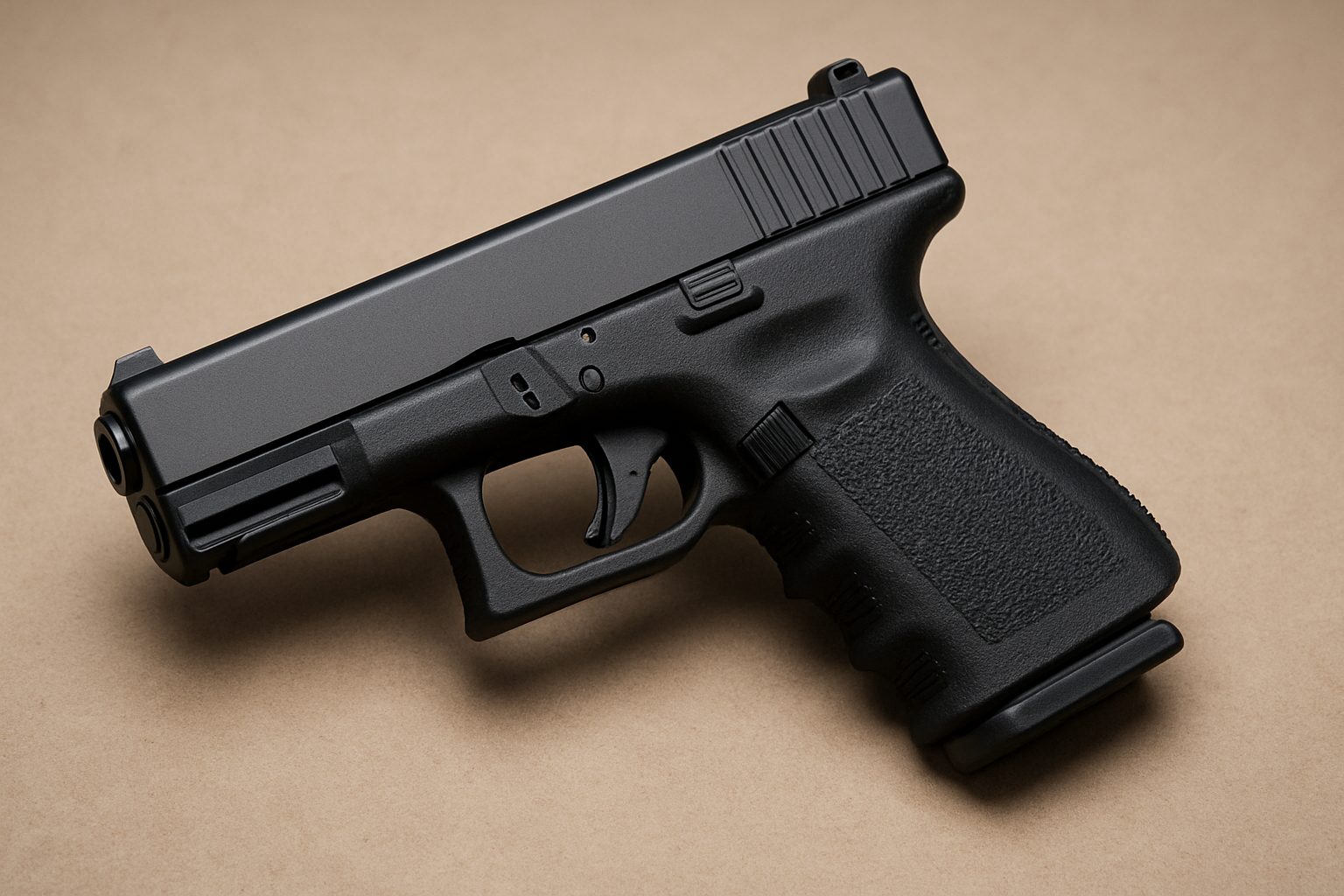
Firearm modifications have become a widely discussed topic among gun owners, competitive shooters, and enthusiasts who want to enhance the performance of their pistols. The Glock 19 is one of the most popular handguns on the market, known for its reliability, compact size, and versatility. Because of this, the demand for conversion options has grown significantly over the years. Before pursuing a glock 19 conversion, it is essential to understand the safety implications that come with altering a factory-built firearm. Responsible ownership begins with informed decision-making, and that means knowing what changes are permissible, what risks exist, and how to handle a modified firearm safely.
Why do gun owners consider converting their Glock 19?
Many firearm owners look to conversions to extend the utility of their existing handgun. Some want to switch calibers for training purposes, while others are looking for adjustments that improve ergonomics or accuracy. Competitive shooters may seek trigger modifications to enhance response times. Whatever the reason, every modification carries a degree of responsibility. A firearm is a precision instrument, and altering its components without proper knowledge can introduce hazards that put both the user and bystanders at risk.
What are the legal considerations before making any modification?
Legal compliance is the first priority for any gun owner thinking about a conversion. Firearm laws vary significantly depending on the state, country, and local jurisdiction. Certain modifications may require registration, licensing, or may be outright prohibited. For instance, converting a semi-automatic pistol to fire in any other manner may constitute a federal offense under specific regulations. It is strongly advisable to consult a licensed firearms attorney or a certified gunsmith before proceeding. Ignorance of the law is not a valid defense, and violations can result in serious legal consequences.
How does a conversion affect the mechanical integrity of the firearm?
A factory Glock 19 is engineered and tested to function safely within specific tolerances. When components are swapped, replaced, or altered, those tolerances can shift in ways that are not immediately visible. Using aftermarket parts that are not verified for compatibility can lead to malfunctions such as failure to feed, failure to eject, or, in more severe cases, unintended discharge. Barrel conversions that change the caliber must be carefully matched to the appropriate magazine and recoil spring. Mismatched components place excess stress on the frame and internal mechanisms, reducing the lifespan of the firearm and increasing the chance of a dangerous failure.
What role does professional guidance play in safe conversions?
Working with a certified gunsmith is one of the most effective ways to reduce risk. A qualified professional can assess whether the intended conversion is mechanically sound, legally compliant, and compatible with the specific generation of the Glock 19 being modified. They can also test the firearm after modification to confirm it cycles correctly and functions safely under realistic conditions. Self-installation of conversion kits, while tempting due to availability of online tutorials, carries real risk for those without formal training in firearm mechanics.
How should a converted Glock 19 be tested and maintained?
After any modification, the firearm should undergo a controlled function test before being used in any real-world scenario. This typically involves a careful inspection of all components, a dry-fire check, and then live-fire testing with a limited number of rounds in a controlled environment such as a shooting range. Any irregularity in the trigger pull, cycling, or ejection pattern should be addressed immediately. Ongoing maintenance is equally critical. Converted firearms may require more frequent cleaning and inspection than their stock counterparts, depending on the nature of the modification.
Final Thoughts on Responsible Modification
Modifying a Glock 19 can be a rewarding experience when approached with the right level of care and preparation. Safety must remain the central concern throughout every stage of the process—from research and legal review to installation and range testing. A well-executed conversion enhances the firearm’s capabilities without compromising its core function. Gun ownership comes with a lifelong commitment to responsible handling, and that commitment becomes even more significant when modifications are involved.