
These period hacks for school are 22 calm, practical tips for girls and their parents: what to keep in a small kit, how to deal with a leak, how to feel more comfortable on heavy days and when it is time to see a doctor. Periods are a normal part of growing up, and a little planning makes school days much easier.
Everything here uses ordinary products like pads, liners, period underwear and cups, plus things from home such as a zip pouch and a spare sweater.
At a glance
Hacks on this page
22Best for
Girls in middle and high school, and their parentsWhat you need
A zip pouch, pads or liners, spare underwear, tissuesTime needed
Ten minutes to pack the kitSee a doctor for
Very heavy bleeding or severe pain
Period hacks for school: pack a small kit
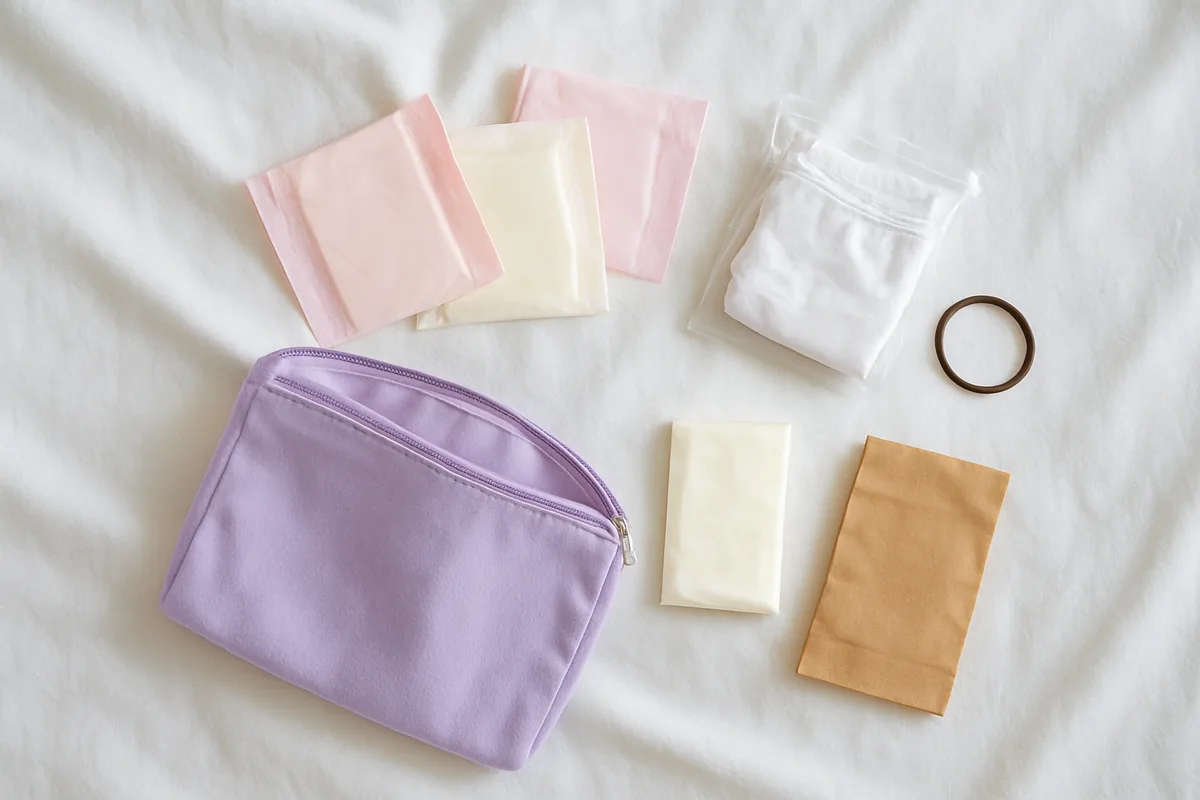
The single best thing you can do is carry a kit, even before your first period. Then you are ready whenever it comes.
- Use a plain zip pouch. A small cloth or zip pouch that looks like a pencil case fits in the inner pocket of a school bag. Nobody knows what is inside unless you tell them.
- Pack two more pads than you think you need. Carry at least three pads or liners. You might need one extra, or a friend might.
- Add a spare pair of underwear. Fold a clean pair of underwear into a small plastic bag. If there is a leak, you can change and carry the used pair home in the same bag.
- Keep tissues and a paper bag. Tissues help in a toilet with no paper, and a small paper bag lets you wrap a used pad neatly before putting it in the bin.
| Item | How many | Why |
|---|---|---|
| Pads or liners | 3 or more | Enough for a full school day |
| Spare underwear | 1 pair | For leaks |
| Small plastic bag | 1 | To carry used underwear home |
| Tissues and paper bag | 1 pack each | Clean wrapping and drying |
| Hair tie and safety pin | 1 each | Small fixes during the day |
Choosing what to use on school days
- Start with pads. Pads are the easiest choice for beginners. Pick a regular size for most days and a longer one for heavy days and nights.
- Change every four to six hours. Change your pad at lunch and in a break, or sooner if it feels full. Regular changes help you stay fresh and avoid leaks.
- Wear a liner on expected days. If your period is due soon, a thin liner catches a surprise start so it does not reach your uniform.
- Try cups or period underwear at home first. Cups and period underwear work well for many girls, but practise using them at home on a weekend with a parent's help before trying them at school.
Period life hacks for beginners: know when it is coming
- Mark the first day on a calendar. Put a small dot on a paper calendar or in a notebook on the first day of each period. After a few months you will see your own pattern.
- Notice your early signs. Many girls feel tired, bloated or get a few spots a day or two before. Noticing these helps you pack the kit and wear a liner in time.
- Remember early periods can be irregular. In the first year or two, periods often come at different gaps. That is common, so carry the kit every day, not just near the date.
Leak and stain help: period hacks in school
Leaks happen to almost everyone at some point. A calm plan helps more than worry.
- Tie a sweater around your waist. Keep a school sweater or jacket in your bag. If you notice a stain, tie it around your waist and go to the toilet or the school nurse.
- Wear dark shorts under a skirt. On heavy days, a pair of dark cycling shorts or tights under the uniform skirt gives an extra layer and peace of mind.
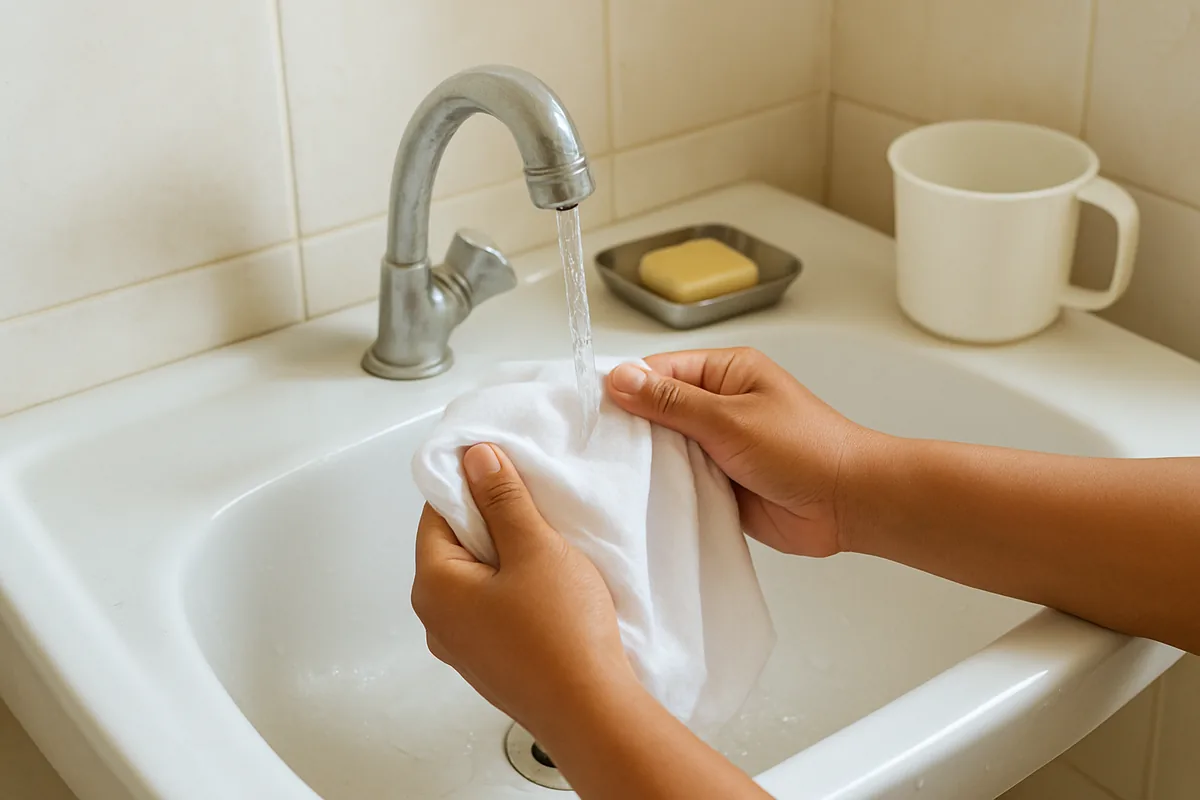
- Rinse with cold water, never hot. At home, rinse the stain under cold running water first, then rub in a little soap. Hot water sets blood stains and makes them harder to remove.
- Soak stubborn stains before washing. If a mark stays, soak the cloth in cold water with a little detergent for an hour, then wash as usual. This works best on cotton.
Period life hacks for school on heavy days
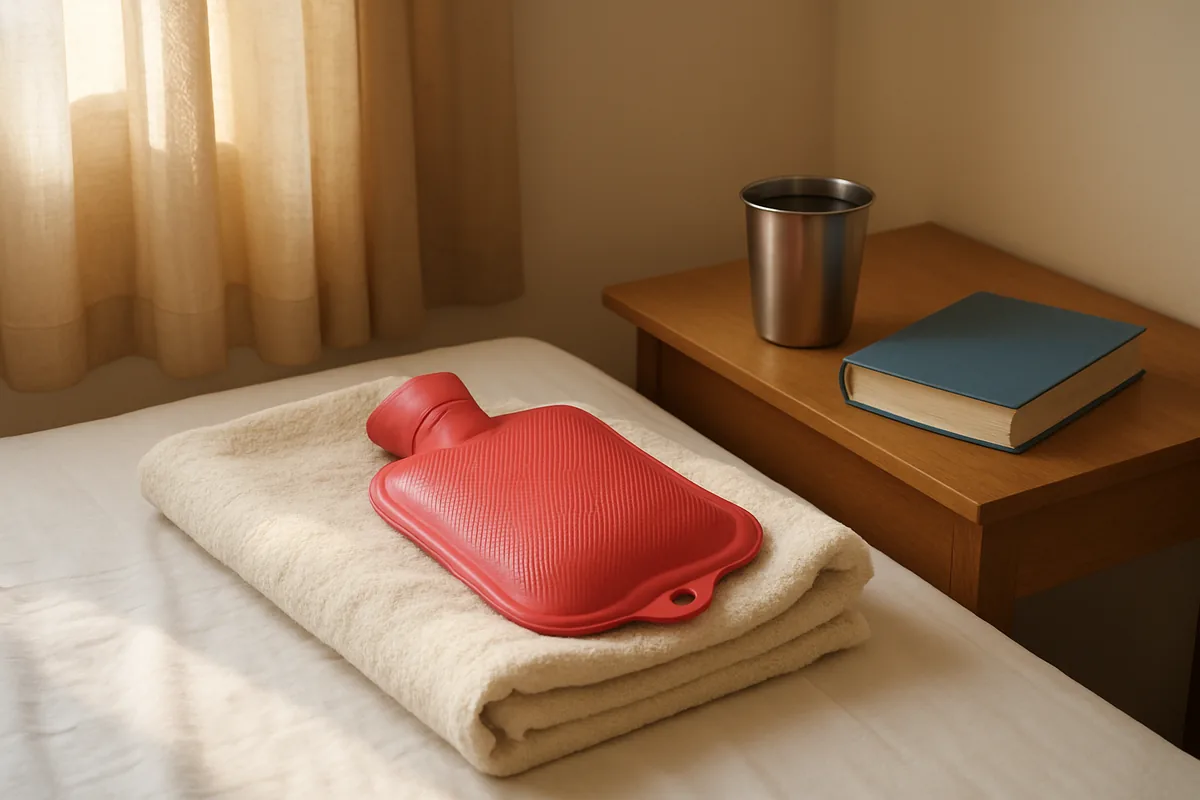
- Use a warm water bag at home. A warm, not hot, water bag on the lower belly while resting after school feels soothing for many girls. Wrap it in a towel first.
- Move gently. A slow walk or light stretching can feel better than lying still all day. Do what feels right for your body.
- Sip water and eat regular meals. Skipping meals can make you feel weaker. Carry a water bottle and a small snack like fruit or roasted chana.
- Ask about medicines with a parent. If pain is bothering you, talk to a parent or a doctor before taking any tablet. Do not take medicines from friends.
Talking to teachers, friends and parents
Periods are nothing to be ashamed of. A few words with the right adults make school days far easier.
- Agree on a simple signal with your teacher. Some schools let girls show a hand sign or say 'I need the nurse' to leave class without explaining. Ask a teacher you trust what works.
- Know where the school nurse sits. The school nurse or medical room usually keeps spare pads and can help you call home if needed.
- Parents, talk early. Talk to your daughter before her first period, pack the kit together and tell her she can always ask you anything.
Parents of younger children can browse our life hacks for kids, and students can read study and bag ideas on the school hacks page. For trips, our travel hacks cover long journeys, and the organization hacks help you keep a neat drawer for supplies at home.
Questions people ask
What should I keep in my school bag for my period?
At least three pads or liners, a spare pair of underwear in a small bag, tissues, a paper bag for wrapping and a hair tie. A plain zip pouch keeps it all private.
How often should I change my pad at school?
Every four to six hours, or sooner if it feels full. Changing at lunch and during a break usually works well.
What do I do if I leak at school?
Tie a sweater around your waist, go to the toilet or the school nurse and change into your spare underwear. At home, rinse the stain in cold water before washing.
Can I use a cup at school?
Many girls do, but practise at home first with a parent's help until you are comfortable. Pads are easier for the first few months.
When should I see a doctor about my period?
If bleeding is very heavy, if pain is severe enough to keep you home from school, or if you feel faint or dizzy. A doctor can check that everything is fine.