

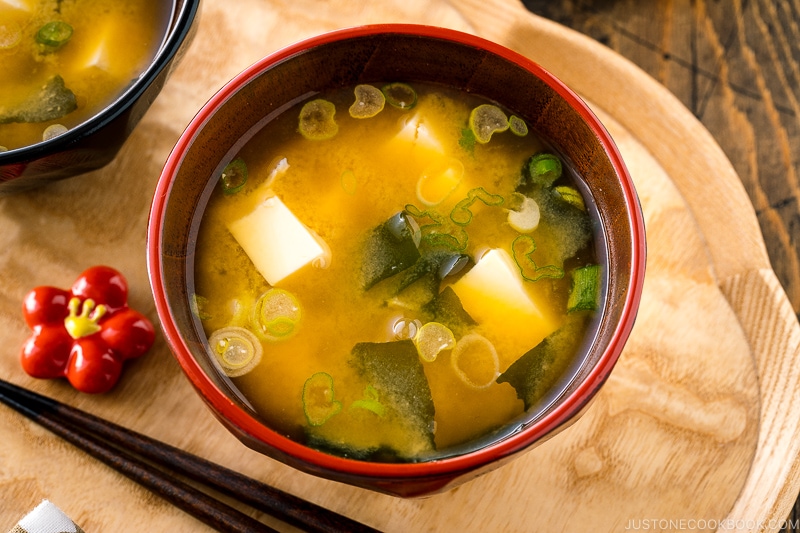
Miso soup is one of the most beloved dishes in Japanese cuisine. Known for its comforting warmth, umami flavor, and nutritional benefits, this soup has become a staple not only in Japan but also around the world. In this article, we will explore the history, ingredients, and step-by-step process of making traditional miso soup while giving you helpful tips to create an authentic taste at home.
What Is Miso Soup
miso soup recipes is a Japanese soup made primarily from miso paste, dashi (a type of broth), and various seasonal ingredients. It is usually served as a side dish with rice, but it can also stand alone as a light and nourishing meal. The unique taste comes from the fermentation of soybeans, which creates miso paste, the soul of this dish.
Key Ingredients
To prepare authentic miso soup, you will need a few essential ingredients:
-
Miso paste: The heart of the dish. It comes in white, yellow, or red varieties, each offering a different flavor profile.
-
Dashi: A Japanese broth usually made from kombu (dried kelp) and bonito flakes. It provides the soup with its savory depth.
-
Tofu: Soft cubes of tofu are commonly added for texture and protein.
-
Seaweed: Wakame seaweed is the most popular choice.
-
Scallions: Freshly chopped scallions add brightness and color.
Step by Step Guide to Making Traditional Miso Soup
-
Prepare the dashi
Start by soaking kombu in water and then gently simmer it. Remove the kombu before the water boils, then add bonito flakes and strain the broth. -
Add the main ingredients
Bring the dashi to a gentle simmer and add wakame seaweed and tofu cubes. -
Incorporate miso paste
Place miso paste in a small bowl, mix it with a little hot broth, and stir until smooth. Then add it back into the pot. Never boil the soup after adding miso paste, as it will lose flavor and nutrients. -
Finish with scallions
Just before serving, sprinkle chopped scallions for freshness.
Tips for the Perfect Miso Soup
-
Choose miso paste according to your preference. White miso is mild and slightly sweet, while red miso has a stronger, saltier taste.
-
Use high-quality kombu and bonito flakes for a richer dashi base.
-
Add seasonal vegetables like mushrooms, daikon radish, or spinach to make the soup more filling.
Health Benefits of Miso Soup
Miso soup is not just delicious, it is also healthy. Miso paste contains probiotics that support digestion, dashi provides minerals from seaweed, and tofu offers plant-based protein. It is low in calories yet highly nutritious, making it an excellent choice for a balanced diet.
Conclusion
The art of making traditional miso soup lies in balancing simplicity and flavor. With just a few ingredients and proper technique, you can create a comforting bowl that connects you to centuries of Japanese culinary tradition. If you love exploring food culture and recipes, you can find more inspiration at Yeema News, a site that regularly updates the latest food trends and cooking tips.

