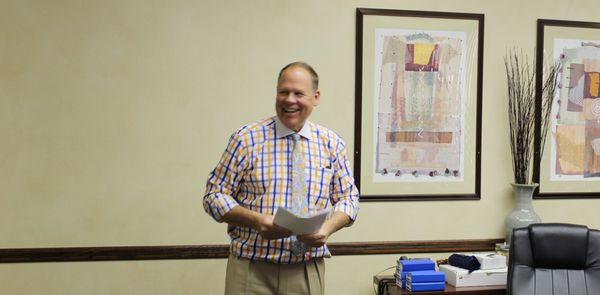
Modern healthcare is increasingly moving toward integrative approaches that combine different disciplines to achieve better patient outcomes. Rather than focusing on a single method, practitioners are now blending complementary practices to address the body as a whole. This integrated model emphasizes balance, prevention, and long-term wellness. In this context, Dr Timothy Francis stands out for his ability to bridge chiropractic care, kinesiology, and homeopathy into a unified and effective treatment approach.
Each of these disciplines offers unique benefits. Chiropractic focuses on spinal alignment and nervous system function, kinesiology examines movement and muscle dynamics, while homeopathy emphasizes natural remedies to stimulate the body’s healing response. When combined thoughtfully, these practices create a comprehensive system that addresses both physical and functional aspects of health.
How Does Kinesiology Enhance Chiropractic Care?
Kinesiology plays a crucial role in understanding how the body moves and functions. It focuses on muscle activity, joint mechanics, and overall physical performance. When integrated with chiropractic care, it provides deeper insights into the root causes of discomfort and dysfunction.
In the middle of this combined approach, Dr Timothy Francis demonstrates how kinesiology can enhance chiropractic treatments. By analyzing movement patterns and muscle imbalances, he can tailor adjustments more precisely, ensuring that treatments address not only structural issues but also functional limitations. This integration leads to improved mobility, reduced pain, and better long-term outcomes.
Kinesiology also supports rehabilitation and prevention. By identifying weaknesses and imbalances early, practitioners can design exercises and strategies that help patients maintain proper function and avoid future injuries. This proactive approach is essential for sustaining overall health.
Why Is Homeopathy Valuable in Integrative Medicine?
Homeopathy adds another dimension to integrative care by focusing on natural remedies that support the body’s innate healing abilities. It operates on the principle of stimulating the body’s response rather than suppressing symptoms, making it a valuable complement to physical therapies.
When combined with chiropractic and kinesiology, homeopathy can help address underlying imbalances that may not be purely structural. It supports overall wellness by considering factors such as stress, immunity, and general vitality. This holistic perspective ensures that patients receive care that is both comprehensive and personalized.
Homeopathy also aligns with the growing demand for natural and non-invasive treatment options. Patients seeking alternatives to conventional methods often find value in approaches that emphasize gentle and supportive healing processes.
What Does the Future Hold for Integrated Holistic Care?
The future of healthcare lies in integration and personalization. As patients become more aware of holistic health, the demand for combined treatment approaches will continue to grow. Integrating disciplines like chiropractic, kinesiology, and homeopathy allows for more tailored and effective care.
Advancements in research and technology will further enhance these integrations, providing better tools for diagnosis and treatment. However, the success of such approaches depends on the expertise and vision of practitioners who can bring these disciplines together seamlessly.
In this evolving landscape, the contributions of Dr Timothy Francis highlight the importance of innovation and holistic thinking. His ability to bridge multiple healing disciplines demonstrates how comprehensive care can lead to improved patient outcomes and long-term wellness. By combining structural, functional, and natural approaches, he continues to set a standard for integrative medicine, offering a model that reflects the future of patient-centered healthcare.